Recognizing the Effect of Behavioral Autism on Life and Social Interactions
You may not understand exactly how deeply behavior autism affects day-to-day live and social interactions. People on the spectrum frequently navigate a world loaded with communication obstacles and sensory overload. These difficulties can lead to stress and isolation, affecting their partnerships and general health. Comprehending these nuances is vital for promoting supportive atmospheres. What approaches can we implement to produce more significant links and comprehensive spaces? The answers could amaze you.
Specifying Behavior Autism and Its Characteristics
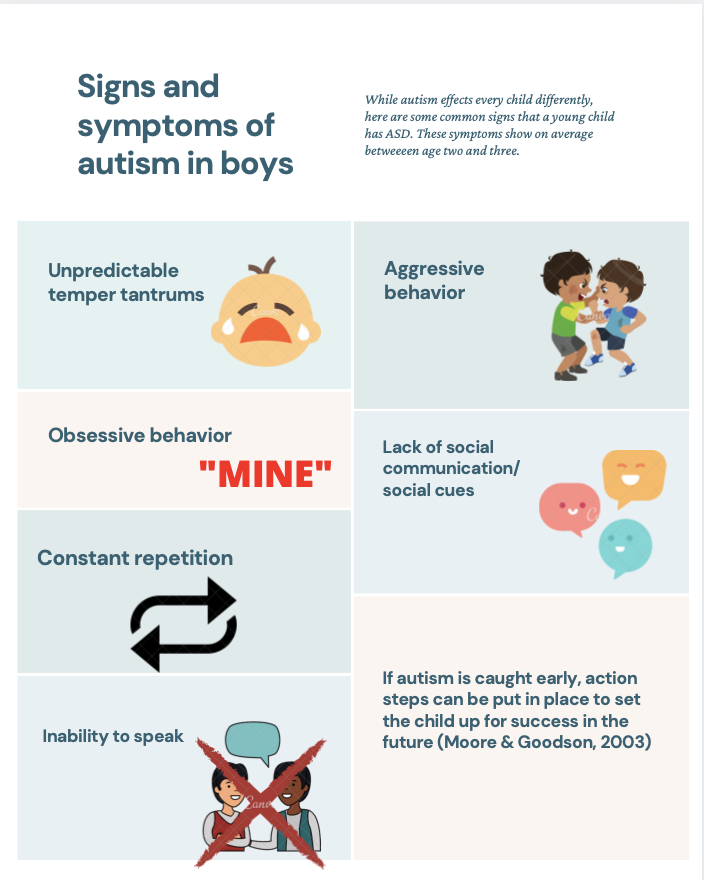
Behavioral autism, usually described as autism spectrum condition (ASD), includes a range of conditions characterized by obstacles in social communication, interaction, and recurring behaviors. You may observe that people with ASD often battle to translate social hints, which can result in misunderstandings in discussions. They might find it tough to establish eye contact or participate in little talk, making social scenarios really feel overwhelming.
Communication troubles can manifest in various methods, from postponed speech advancement to a preference for making use of fewer words. By recognizing these traits, you can cultivate a setting that promotes approval and encourages reliable communication, assisting individuals with autism prosper in their everyday communications.
The Spectrum of Autism: Comprehending Irregularity in Behavior
Autism range problem (ASD) isn't a one-size-fits-all medical diagnosis; it varies widely among individuals. You might discover that some people with ASD exhibit moderate signs and symptoms, while others may deal with more substantial challenges. This variability can manifest in behaviors, passions, and sensory sensitivities. You might experience people that are very verbal and engage conveniently in discussions, while others may favor solitary activities or interact non-verbally.
Furthermore, the way individuals with ASD reply to sensory input can vary greatly; some might be bewildered by loud sounds or intense lights, whereas others flourish in stimulating settings. The range likewise includes distinctions in social interactions; some individuals might struggle to interpret social signs, while others navigate social setups with relative convenience. Recognizing this variability is necessary, as it assists you appreciate everyone's one-of-a-kind experience and tailor support to their details requirements, promoting a more inclusive atmosphere for everyone.
Communication Obstacles Encountered by Individuals With Autism
When you engage with people on the autism range, you may observe their unique interaction obstacles. They usually encounter problems with both nonverbal and spoken signs, which can affect their social interactions. Understanding these barriers is vital for promoting better connections and assistance.

Verbal Communication Troubles
Numerous people on the autism range experience spoken communication troubles that can significantly influence their daily communications. You might discover it testing to reveal your thoughts, feelings, or requires plainly. This can cause frustration for both you and those around you, as misconceptions take place. You may fight with starting conversations, preserving a topic, or recognizing subtleties in speech. Typically, you could favor utilizing simple language or repeated expressions, which can restrict your capacity to participate in deeper discussions. Your tone, quantity, or rate might not align with social expectations, causing others to misinterpret your intents. Identifying these difficulties can assist you and your assistance network develop methods to improve interaction and foster better links with others in your every day life.
Nonverbal Communication Obstacles
Verbal interaction isn't the only difficulty individuals on the autism spectrum face; nonverbal communication barriers can be equally as substantial. You might locate it challenging to interpret body language, facial expressions, and eye call, which are vital for efficient communication. These challenges can bring about misconceptions or misinterpretations of social cues, making communications feel overwhelming or complex. You might have a hard time to share your very own emotions through nonverbal ways, leaving others unsure of your intents or feelings. This separate can create sensations of isolation and aggravation. Identifying these barriers is crucial for cultivating understanding and empathy in your communications. By dealing with nonverbal interaction, you can locate approaches to improve your social experiences and improve your total lifestyle.
Social Interaction Effects
Social communications can often feel overwhelming because of the special interaction obstacles faced by people with autism. You might battle with analyzing social cues, making it hard to comprehend mockery or body language. This can lead to misunderstandings or uncomfortable moments in discussions. Additionally, launching and preserving discussions might really feel difficult, triggering anxiousness in social scenarios. You might like organized settings, making spontaneous interactions uneasy. It's also typical to experience problem in involving in tiny talk, which can hinder developing brand-new relationships. Identifying these obstacles can aid you locate approaches to boost interaction, such as exercising social abilities in safe setups or making use of aesthetic aids - Autism Behavioral Therapy. Comprehending your requirements enables you to navigate social interactions with greater self-confidence and convenience.
Social Interaction and Relationship Building in Autism
While building connections can be challenging for people with autism, understanding their unique point of views and click here communication designs can cultivate purposeful connections. You might observe that numerous people on the spectrum like direct communication and may have problem with social hints or small talk. By being simple in your interactions, you read more can assist produce a setting where they feel comfy.
Involving in shared passions can also serve as a bridge to much deeper connections. Whether it's a hobby, a favorite show, or a shared interest, these usual threads can open doors to friendship.
Daily Life Routine: Navigating Techniques and obstacles
Maneuvering life routines can be particularly testing for people with autism, especially when unanticipated adjustments happen. You could find comfort in having an organized routine, as it assists you anticipate what's next. It's regular to feel overloaded or distressed when disturbances happen. To navigate these challenges, consider executing aesthetic routines or lists. These devices can give clearness and reassurance.
Establishing a routine that consists of sensory breaks can additionally be advantageous. This aids produce an understanding environment.
Finally, practice mindfulness methods to take care of stress and anxiety. Simple breathing exercises or basing methods can make a substantial distinction. By incorporating these strategies, you can improve your daily regimen and decrease disturbances, making life really feel extra manageable.
Staminas and Capabilities of Individuals on the Autism Spectrum
Recognizing day-to-day life regimens is just one element of Autism Therapist the autism experience. Many people on the autism range possess impressive toughness and capacities that set them apart.
In addition, your memory abilities typically radiate, particularly in locations of interest. Autism Spectrum Therapies. This knack for keeping details can make you a beneficial resource in areas like innovation, scientific research, or art. You might additionally display solid aesthetic thinking, allowing you to envision intricate concepts and solve problems artistically
Additionally, your distinct perspective on the world can promote empathy and understanding in others, enriching social communications. Accepting these strengths not just enhances your confidence but additionally assists others appreciate the diverse abilities you give the table.
Producing Comprehensive Atmospheres for People With Autism
Producing inclusive environments for individuals with autism starts with developing sensory-friendly spaces that accommodate their unique demands. You can likewise promote possibilities for social interaction, aiding to develop links and relationships. By making these modifications, you'll add to a much more welcoming ambience for every person.
Creating Sensory-Friendly Spaces
While creating sensory-friendly areas, it's crucial to mirror on the one-of-a-kind needs of individuals with autism. Incorporate quiet zones where individuals can retreat and charge when overwhelmed. Include aesthetic schedules or clear signage to assist individuals navigate the space confidently.
Advertising Social Communication Opportunities
Designing sensory-friendly areas not just addresses specific comfort but also sets the stage for significant social communications among individuals with autism. Motivate peer mentoring, pairing individuals with autism with supportive peers who can guide them via social situations. By applying these methods, you can enhance social chances, assisting people with autism build relationships and reinforce their social skills in a secure, welcoming atmosphere.
Frequently Asked Inquiries
How Can Buddies Support Somebody With Behavioral Autism?
You can sustain a buddy with behavior autism by being patient, listening proactively, and respecting their limits. Participate in tasks they appreciate, communicate openly, and produce a comfy setting where they feel valued and recognized.
What Resources Are Readily Available for Parents of Children With Autism?
You can explore numerous sources for moms and dads of children with autism, consisting of support groups, academic websites, and local community services. Connecting with other moms and dads can also offer important insights and shared experiences to aid browse obstacles.
Can Behavioral Autism Modification In Time?
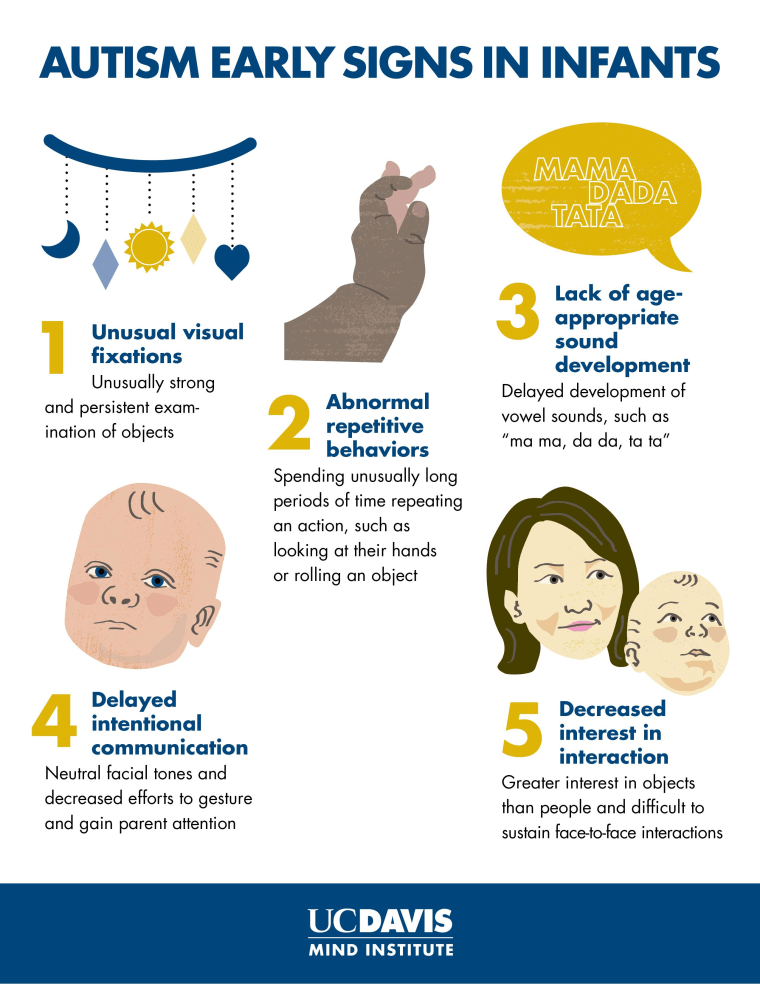
Yes, behavioral autism can change gradually. You may notice changes in communication, social skills, and actions as your child expands. Early intervention and assistance usually play vital duties in these developmental adjustments.
Exactly How Do Sensory Sensitivities Impact Life?
Sensory level of sensitivities can make daily experiences overwhelming. You may have problem with intense lights or loud noises, bring about anxiety or avoidance. Finding settings that accommodate your requirements can greatly enhance your convenience and general day-to-day life.
What Prevail Misconceptions Concerning Behavioral Autism?
You might believe behavior autism only impacts interaction skills, however it's even more facility. Numerous think individuals do not have compassion or intelligence, which isn't true. Understanding these mistaken beliefs helps foster acceptance and assistance for those on the range.
Behavioral autism, commonly referred to as autism range disorder (ASD), includes an array of conditions identified by obstacles in social communication, communication, and repeated actions.Social interactions can typically really feel overwhelming due to the special communication challenges dealt with by people with autism.Creating sensory-friendly rooms not just addresses individual comfort however likewise sets the phase for significant social communications amongst individuals with autism. Encourage peer mentoring, pairing individuals with autism with supportive peers who can guide them with social circumstances. By carrying out these approaches, you can enhance social opportunities, helping individuals with autism build friendships and enhance their social skills in a risk-free, welcoming setting.